
What players say
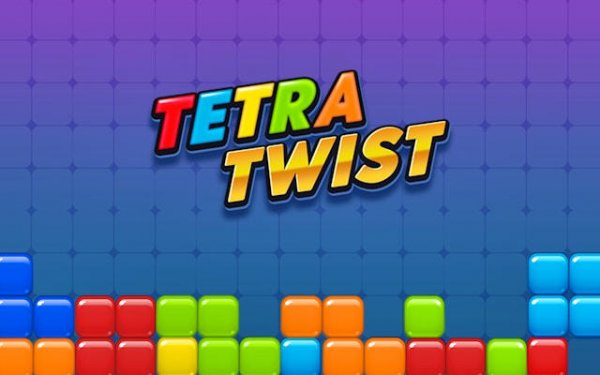
Tetra Twist Puzzle Challenge sticks to the classic falling-block formula: rotate and position shapes, clear horizontal rows, and keep the board from filling. Its strengths are accessibility and a gentle difficulty curve, with no time pressure and clean visuals. Random piece sequences add replay value, though players seeking fast action or complex mechanics may find the pace too relaxed. Best suited to casual and dedicated puzzle fans who enjoy planning a few moves ahead.
About this game
Piece Placement and Row Clearing
Every session in Tetra Twist Puzzle Challenge revolves around one task: fit falling shapes into the play area so that horizontal rows contain no gaps. Each piece can be shifted left or right and rotated, giving you a small set of choices before it locks in place. Completing a row removes it, adds to your score, and frees space for the next pieces. The tension comes from balancing immediate placement against the shape of the board a few moves ahead.
Controls and Interface
The game uses simple controls, typically arrow keys or on-screen buttons. Movement and rotation are separate actions, so you can adjust a piece's orientation without shifting its column. This separation matters when a gap is only one cell wide or when a rotation would push a piece past the edge. There is no time pressure and no distracting elements, so the interface stays out of the way and lets you focus on placement.
Pacing and Difficulty
Pieces fall faster as the session continues, which shortens the window for deciding where each shape should go. Random piece sequences mean no two games play out the same way, so you cannot rely on memorized patterns. The session ends when a new block can no longer enter the play area. Because the pace increases gradually, the early minutes serve as a warm-up and the later minutes demand quicker judgment.
Planning and Score Chasing
Score tracking lets you compare runs and aim for personal bests. Keeping the stack low and flat is the most reliable way to preserve options, since a tall column limits where future pieces can go. Watching the preview of the next piece helps you decide whether to leave a gap open or fill it now. Thinking a few moves ahead, rather than reacting to each piece in isolation, is what separates a short run from a long one.
✅ Compatibility & Testing
FAQ
Player comments
Sign in to comment
You must be logged in before posting a review or rating.
No comments yet. Be the first to comment!




Editorial Notes