
What players say
Festive Tile Puzzle Solitaire succeeds by keeping its rule set minimal while letting board layout create the challenge. The free-tile condition forces you to read the whole board, and the gradual difficulty curve keeps early puzzles approachable. The holiday visuals are consistent and unobtrusive. Its main limitation is that the experience depends on layout variety rather than new mechanics, so players seeking constant novelty may find it repetitive. Best suited to casual players who enjoy planning and a seasonal theme.
About this game
Core Matching Rule
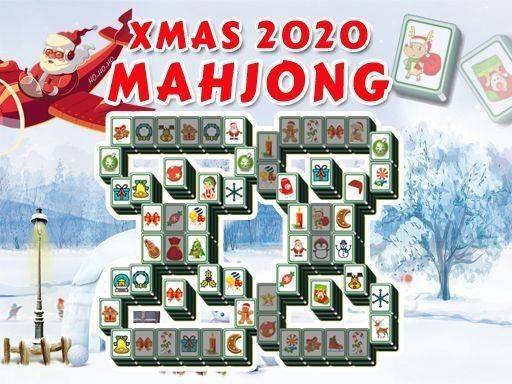
Festive Tile Puzzle Solitaire uses a simple rule: select two identical tiles that are both free. A tile counts as free when nothing rests on top of it and at least one side is unobstructed. That single condition shapes every decision. You are not hunting for any matching pair; you are hunting for a matching pair you can actually reach. The board starts as a layered arrangement, so the visible surface is only part of the puzzle. Matching a pair removes those tiles, exposing whatever sits beneath. Each removal changes which tiles are free, which means the board is never static. A move that looks safe can close off a different pair you needed later.
Board Layout and Planning
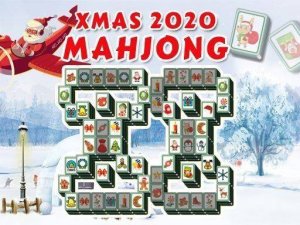
Each puzzle presents a unique configuration of tiles. Some tiles sit deliberately beneath others, so you must clear upper layers before lower matches become available. That layered structure creates the central tension: every move opens some possibilities and may block others. A practical approach is to scan the entire board first and identify all currently free tiles. From there, prioritize matches that free up additional tiles rather than simply clearing whatever is easiest. Planning several moves ahead often separates a smooth finish from a stuck board. Because the layouts vary, no single sequence works for every puzzle; observation matters more than speed.
Seasonal Visual Style
The tiles carry winter and holiday symbols such as snowflakes, ornaments, and wrapped presents. The palette leans on warm reds, greens, and whites, which gives the board a cozy seasonal feel without pulling attention away from the puzzle. The interface stays clean and uncluttered, so the icons and layering remain the focus. That restraint matters in a matching game, where visual noise can make it harder to spot free tiles. The consistent icon set also helps you recognize matches quickly once you learn the symbols. The overall presentation suits short breaks as well as longer, unhurried sessions.
Progression and Feedback
Complexity increases gradually as you advance. Later boards may use more tiles or more intricate layering, which demands sharper observation. Some versions include a star rating that rewards efficient play, with higher ratings for completing a board in fewer moves or less time. That adds a light replay incentive for players who enjoy refining their performance. The core experience stays accessible and pressure-free, so the difficulty curve works for casual players and for those who prefer a methodical challenge. There is no penalty for taking your time, which keeps the game relaxed even as the boards grow harder.
Compatibility
FAQ
Player comments
Sign in to comment
You must be logged in before posting a review or rating.
No comments yet. Be the first to comment!



Editorial Notes