
What players say
Citrus Park Creative Playground targets players who enjoy open-ended exploration with optional structure. The three modes cater to different moods: Creative for unrestricted building, Campaign for planned problem-solving, and Survival for escalating pressure. Drivable vehicles add a practical layer to movement and object transport. The cheerful tone and lack of graphic content make it accessible to families, though the strategic depth in Campaign and Survival modes gives it broader appeal. The main limitation visible in the description is the absence of any mention of multiplayer or narrative, so players seeking those features should verify before purchasing.
About this game
A Lemon-Themed World Built for Curiosity
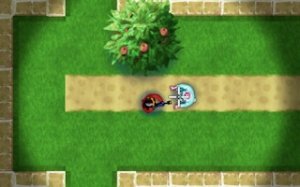
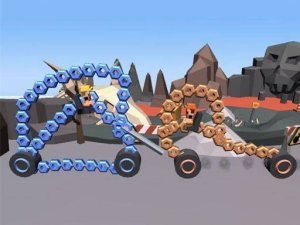
Citrus Park Creative Playground drops players into a vivid, lemon-inspired environment where interactive objects and hidden surprises are scattered across the map. Movement is unrestricted, and the park rewards players who poke around every corner. The design leans on discovery: manipulating objects and collecting items are core activities that feed into both building and problem-solving. Nothing about the setting feels threatening, which keeps the focus on experimentation rather than tension. [IMG_1]
Three Modes, Three Approaches
The game splits into Creative, Campaign, and Survival modes. Creative mode removes restrictions entirely, letting players place and arrange objects however they like. Campaign mode shifts to structured objectives that demand planning and item collection before progress is possible. Survival mode flips the priority again, asking how long a player can stay active while hazards gradually increase. All three modes share the same basic controls, but the strategy required in each is noticeably different. A build that works in Creative mode may be useless in Campaign, and Survival punishes the kind of leisurely experimentation that Creative encourages.
Vehicles as Tools, Not Just Transport
Drivable vehicles change how players move through the park. They can reach elevated areas that would otherwise be inaccessible and transport objects more efficiently than carrying them on foot. This makes vehicle control a practical skill rather than a side activity. In Creative mode, vehicles help with large builds where hauling materials by hand would be slow. In Campaign mode, they open up routes and solutions that depend on getting specific items to specific places. Learning each vehicle's handling pays off across all three modes. [IMG_2]
Planning Over Reflexes
Campaign levels are built around obstacles that require logical thinking rather than fast reactions. Players have to decide which tools to use and how to arrange objects to reach a goal. That strategic layer gives the game staying power beyond a single session. The challenge comes from figuring out the right combination of actions, not from executing them quickly. This makes the game approachable for players who prefer thinking through a problem to reacting under pressure.
A Tone That Welcomes Everyone
Bright colors, playful sound effects, and the absence of graphic content keep the experience suitable for players of all ages. Competition and violence are not part of the design. Instead, the game emphasizes creativity, exploration, and gentle challenge. That combination makes it a reasonable choice for families looking for a shared activity, though the strategic depth in Campaign and Survival modes gives older players something to engage with as well.
Compatibility
FAQ
Player comments
Sign in to comment
You must be logged in before posting a review or rating.
No comments yet. Be the first to comment!

Editorial Notes