

What players say
GlowIT keeps its scope tight: two players, alternating turns, physics-based mini-games solved by dragging and releasing. The strength is accessibility. Bright visuals and simple controls make it easy for a child and parent to compete without a tutorial. The limitation is variety. The input describes a collection of mini-games but does not detail how many or how they progress. Players who want deep progression may find it light, but as a short shared-screen activity it delivers exactly what it promises.
About this game
Turn-Based Physics Challenges
GlowIT structures play around alternating turns. One player attempts a mini-game while the other watches, then roles switch. Each challenge asks you to move an object by dragging it with a finger or mouse and releasing to apply force. The direction and strength of that drag determine the outcome. Because turns are separate, you can study your opponent's approach before your own attempt. The format rewards patience as much as quick reflexes.
What Each Mini-Game Asks of You
The mini-games vary in what they demand. Some test speed: how quickly you can read a situation and respond. Others require balance, where you must position or stabilise an object without overshooting. A third group leans on trajectory, asking you to judge angles and distances before releasing. Physics concepts like force and motion are not explained in text; they are learned by observing results and adjusting on the next turn. That hands-on loop keeps the learning implicit and immediate.
Visual Style and Family Play
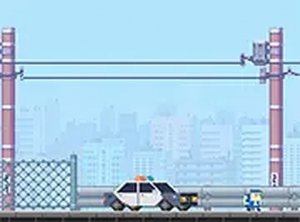
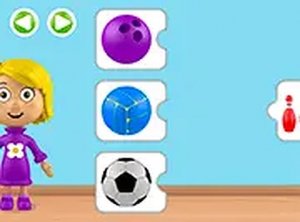
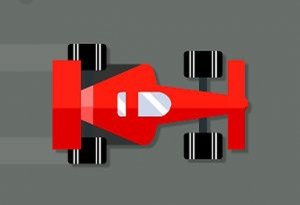
Bright, colourful arenas make objects easy to track against the background. The retro-inspired presentation keeps the screen readable for younger players without visual clutter. GlowIT is designed for two people sharing one screen, which makes it a natural fit for short breaks, waiting rooms, or family game time. No account or download is mentioned; it runs in a browser. The friendly competition stays low-pressure because each round is short and the next turn offers a fresh attempt.
Improving Through Observation
Precision beats haste in most mini-games. Before dragging, note where the object sits and what obstacle or target lies ahead. A slow, deliberate pull often produces a better result than a fast flick. After each round, compare your move with your opponent's: what angle did they use, and how much force? That comparison is the main feedback loop. Over several turns, you build a feel for how much input a given challenge needs. Staying calm helps, especially in speed-based rounds where panic leads to overshooting.
Compatibility
FAQ
Player comments
Sign in to comment
You must be logged in before posting a review or rating.
No comments yet. Be the first to comment!



Editorial Notes