
What players say
Gridfall Block Puzzle sticks to what works: falling blocks, horizontal line clears, and a scoring system that rewards combo setups. The flat-grid strategy and progressive speed increase give it enough depth for puzzle fans, while browser-based instant play keeps it accessible for quick sessions. The main limitation is a lack of variety beyond the core mode, but for a casual arcade puzzle, that focus is part of the appeal.
About this game
Core Line-Clearing Mechanic
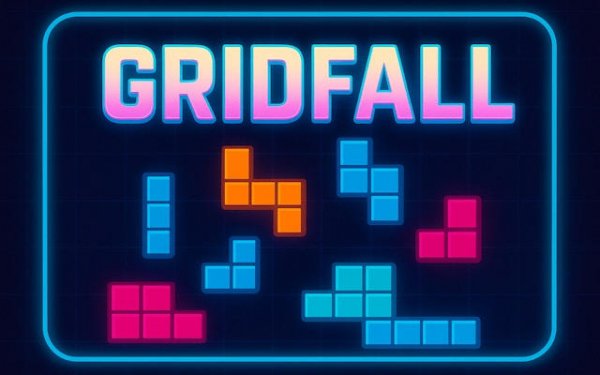
Gridfall Block Puzzle follows a familiar arcade formula: blocks descend onto a grid, and your job is to position them so they fill entire horizontal rows. A completed row disappears, awards points, and opens space for the next pieces. The challenge comes from the steady accumulation of blocks and the need to keep the stack manageable.
Grid Management and Scoring
Efficient play depends on keeping the grid surface as flat as possible. Gaps and uneven stacks limit where future blocks can go, so every placement affects the next few moves. Clearing multiple lines at once yields bonus points, which rewards players who set up combos rather than clearing rows one at a time. The scoring system tracks high scores and encourages repeat sessions.
Pace and Progression
The game starts at a comfortable speed and gradually increases difficulty. Blocks may fall faster or new challenges may appear as you advance, pushing you to make quicker decisions. This progression keeps early sessions accessible for casual players while giving puzzle veterans a reason to keep playing.
Accessibility and Presentation
Gridfall is designed for instant play, typically requiring no downloads—just a browser or compatible device. The interface is clean and intuitive, focusing attention on the puzzle itself. The retro arcade inspiration shows in the block-based visuals and simple premise, while the modern presentation keeps the experience from feeling dated.
Compatibility
FAQ
Player comments
Sign in to comment
You must be logged in before posting a review or rating.
No comments yet. Be the first to comment!





Editorial Notes