
What players say
Block Puzzle Quest is a delightful casual puzzle game that respects the classic block-matching formula while adding a touch of creative freedom. The drag-and-drop controls are smooth, and the vibrant visuals make each line clear rewarding. It is perfect for short play sessions, and the strategic depth keeps you coming back for more. A great choice for puzzle enthusiasts of all ages.
About this game
Game Introduction
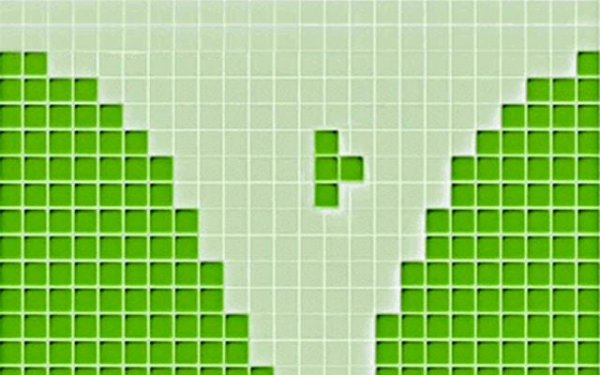
Block Puzzle Quest is a casual puzzle game that blends classic block-matching mechanics with fresh gameplay ideas. The core objective is to clear the board by forming complete lines using various shaped blocks. It offers a satisfying and accessible experience for both traditional puzzle fans and those looking for new challenges. The game stands out by providing more creative freedom in block placement compared to rigid classic games, allowing players to think strategically and set up multi-line clears.
How to Play
Players are presented with a set of multi-shaped blocks at the top of the screen. The goal is to drag each block and place it onto a grid pattern. To score points and free up space, players must fill an entire horizontal row or vertical column with blocks. Once a line is completely filled, it disappears from the grid. The game continues until there is no more room to place the given blocks. Success requires planning ahead and considering the shapes of upcoming blocks.
Game Features
Classic block-matching mechanics are blended with innovative new modes that add strategic depth. The drag-and-drop controls are simple and intuitive, making the game easy to pick up for players of all skill levels. Vibrant visuals and satisfying sound effects accompany every line clear, enhancing the overall experience. The game is designed for quick sessions, making it ideal for short breaks or commutes.
Tips for Success
Think several moves ahead and consider how each block will affect future placements. Try to keep the grid as open as possible by clearing lines regularly. Use the edges of the grid to organize blocks and avoid creating isolated gaps. Experiment with different placement strategies to discover what works best for you. Practice regularly to improve your spatial reasoning and reaction times.


Player comments
Sign in to comment
You must be logged in before posting a review or rating.
No account? Create one
No comments yet. Be the first to comment!