

What players say
Pocket Picture Slide Puzzle sticks to the classic sliding tile formula without unnecessary extras. Its adjustable grid sizes let you choose a quick 3x3 warm-up or a more demanding 4x4 challenge, and the tap or click controls work equally well on mobile and desktop. The game is best suited for players who enjoy quiet, methodical brain training rather than fast-paced action. The lack of a timer or move counter keeps the focus on solving at your own pace, which some may find too relaxed, but it fits the game's family-friendly, low-pressure design.
About this game
Reassembling the Image
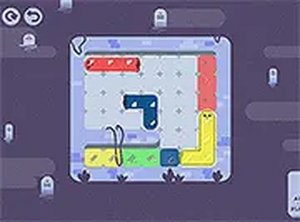
In Pocket Picture Slide Puzzle, you face a grid of scrambled tiles with one empty space. The goal is simple: slide adjacent tiles into the gap until every piece sits in its correct spot, revealing the full picture. Each tap or click moves a tile, gradually bringing the image together. The puzzle is solved when all tiles are in order. [IMG_1]
Controls and Interaction
The game uses a straightforward tap-to-slide system on mobile and click-to-slide on desktop. Because only tiles next to the empty space can move, every action is deliberate. This constraint turns a simple mechanic into a test of planning and spatial reasoning, as you must think ahead to avoid undoing progress.
Grid Sizes and Difficulty
You can choose from multiple grid sizes, such as 3x3 and 4x4. Smaller grids are quicker to solve and good for short breaks, while larger grids demand more moves and deeper concentration. The difficulty scales naturally with the number of tiles, giving you control over how much of a challenge you want. [IMG_2]
Approaches That Work
Experienced players often solve one row or column at a time, locking completed sections in place. Using the image outline or your memory of the picture helps guide tile placement. Planning several moves ahead reduces wasted slides, and breaking larger grids into smaller sections makes them more manageable. Patience and a methodical approach lead to steady progress.
Compatibility
FAQ
Player comments
Sign in to comment
You must be logged in before posting a review or rating.
No comments yet. Be the first to comment!








Editorial Notes