
What players say
Tap Speed Challenge Arcade does one thing and does it without distraction. The ten-second format keeps rounds short enough to replay immediately, and personal best tracking gives each attempt a purpose. Leaderboards add a competitive layer for players who want to compare scores globally. The limitation is equally clear: there is no progression system, no variety in targets, and no depth beyond tapping faster. Players seeking a quick coordination challenge will appreciate the focus; those wanting more complex arcade mechanics will find it thin.
About this game
The Ten-Second Tap Test
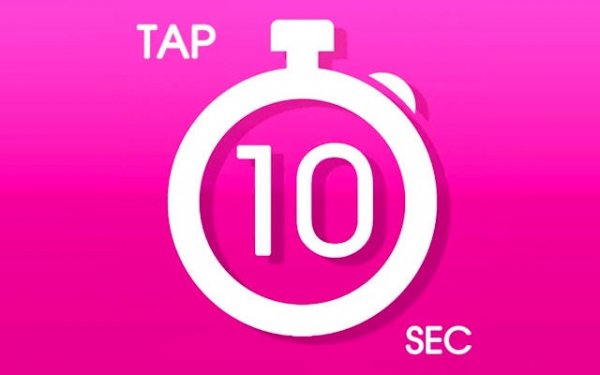
Tap Speed Challenge Arcade reduces the arcade experience to a single, measurable action: tapping a designated area as many times as possible before a ten-second timer expires. There are no levels, storylines, or hidden mechanics to learn. The game counts each tap in real time and displays your final score the moment the timer stops. That score is the only feedback you need to know whether you improved or fell short of your previous attempt.
How a Round Unfolds
Starting a round triggers a countdown, then the timer begins. You can tap with one finger, alternate between two, or use multiple fingers—the game accepts any method and counts every contact. The target area is large and clearly marked, so the challenge comes from your own speed and consistency rather than from finding the button. After ten seconds, the game stops counting, shows your result, and lets you replay immediately. There is no penalty for a low score and no limit on attempts.
Tracking Progress Over Time
The game keeps a record of your personal best, which gives each session a clear benchmark. Leaderboards let you compare that number with other players globally, turning a solo reflex test into a broader ranking. Because a round lasts only ten seconds, you can fit several attempts into a short break or practice deliberately over a longer sitting. The interface stays clean, and no ads interrupt gameplay.
Who Gets the Most From It
Players who enjoy quick, repeatable challenges will find the appeal obvious: the goal is simple, the feedback is immediate, and improvement is easy to measure. It also works as a casual coordination exercise for anyone curious about their tapping speed. The lack of complexity is the point—there is nothing to memorize, and every round starts on equal footing.
Compatibility
FAQ
Player comments
Sign in to comment
You must be logged in before posting a review or rating.
No comments yet. Be the first to comment!




Editorial Notes