
What players say
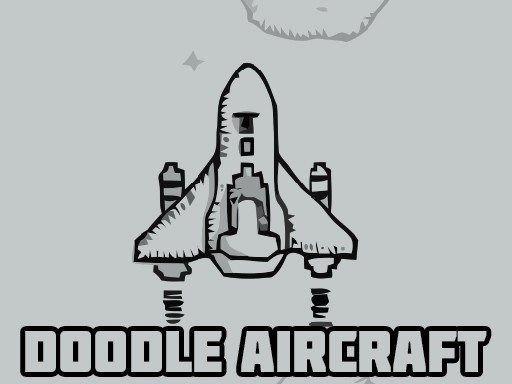
Doodle Aircraft Arcade Action pairs a hand-drawn aesthetic with demanding arcade combat. The core loop—dodge enemy fire, line up shots, clear each wave—is easy to understand but hard to master, especially as later stages add more opponents and faster attacks. Its simple controls and short wave structure suit players who enjoy reflex-driven action in brief sessions. The main limitation is that the input describes a focused, wave-based experience without broader modes, so players seeking deep progression systems may find it narrow.
About this game
Sketchy Skies, Serious Combat
Doodle Aircraft Arcade Action sets its aerial battles on checked-paper backgrounds, giving every dogfight the feel of a margin doodle brought to life. That playful look sits on top of demanding arcade gameplay: enemy aircraft fill the screen, and the only way forward is to shoot them down before they do the same to you. The contrast between lighthearted visuals and tense, reflex-driven combat is the game's defining trait.
Staying Alive in the Air
Survival depends on constant movement. Enemy projectiles track your position, so sitting still or drifting in a straight line quickly ends a run. Players weave around incoming fire while lining up shots at enemy planes, and every wave adds more opponents or faster attacks. Precision matters as much as speed — a missed shot leaves a threat alive, and a slow turn can put you directly in a bullet's path.
Wave Progression and Rising Pressure
The structure is simple and readable: clear all enemies in a wave to reach the next stage. Difficulty climbs steadily, so early levels double as a tutorial for the controls and the flow of combat. Later waves demand quicker decisions about which enemy to target first and when to break away from a firing line. Because each stage is short, the game fits naturally into brief play sessions, but the escalating challenge gives players a reason to return and push further.
Reading the Battlefield
Enemy planes follow patterns, and learning those patterns is the difference between reacting and anticipating. Prioritizing the closest or most aggressive threats keeps the screen manageable. Replaying earlier levels is a practical way to sharpen aim and movement before tackling harder waves, and keeping a steady hand matters more than frantic dodging. The controls are deliberately simple, so improvement comes from timing and positioning rather than complex inputs.
Compatibility
FAQ
Player comments
Sign in to comment
You must be logged in before posting a review or rating.
No comments yet. Be the first to comment!






Editorial Notes