
What players say
Happy Birds Jigsaw Puzzle keeps its scope narrow and executes it cleanly. The draw is the combination of bright bird images, selectable difficulty, and a drag-and-drop interface that works across desktop and mobile. Automatic progress saving and a preview option remove common frustrations. The main limitation is variety: the experience is assembling pictures, and players seeking scoring, timers, or competitive modes will not find them here. It fits anyone who treats puzzling as a way to slow down.
About this game
Assembling Bird Portraits
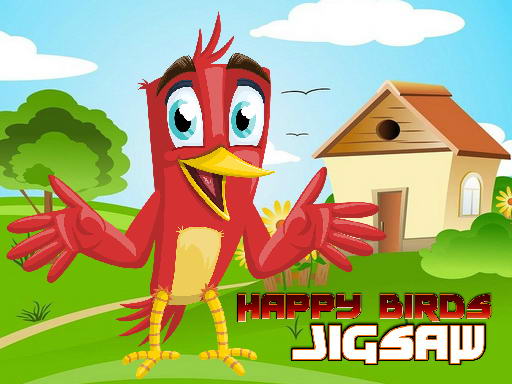
Happy Birds Jigsaw Puzzle centers on a single, familiar task: scattered pieces must be dragged into their correct positions until a bird image is complete. Each puzzle uses a bright, detailed picture of a bird, and the game provides a preview of the finished image to guide placement. There is no timer, score, or competitive element. The satisfaction comes from watching a fragmented picture resolve into something recognizable, one piece at a time.
Choosing Difficulty and Pace
Before starting, you select a bird image from the main menu and then pick a difficulty level that determines how many pieces the puzzle contains. Lower piece counts suit quick sessions or younger players; higher counts extend the challenge for anyone who wants a longer, more demanding assembly. Because difficulty is chosen per puzzle, the same image can be approached as a light warm-up or a sustained concentration exercise. Progress saves automatically, so an unfinished puzzle can be resumed later without losing placement work.
Controls and Interface
The interface relies on drag-and-drop input that works with a mouse or touchscreen, covering desktop, tablet, and smartphone use. Pieces respond immediately when moved, and the layout stays uncluttered so the puzzle board remains the visual focus. A preview of the complete image is available during play, which helps when color regions or feather patterns become ambiguous. No registration or download is required, and the game runs directly in the browser.
Approaches That Work
Most players begin by locating edge pieces to establish the border, then work inward using color and pattern groups. Sorting pieces by similar hues before placing them reduces the time spent scanning the board. Stepping away from a stalled section often makes the next match easier to spot. These habits are not required, but they make larger piece counts more manageable and keep the activity calm rather than frustrating.
Compatibility
FAQ
Player comments
Sign in to comment
You must be logged in before posting a review or rating.
No comments yet. Be the first to comment!



Editorial Notes