
What players say
Alphabet Leap Learning Game succeeds as an early literacy tool because it keeps everything simple: one tap to jump, one letter per platform, and immediate audio feedback. The absence of timers or penalties respects how young children learn through repetition. Its main limitation is that it offers little beyond letter recognition and sequence, so it works best as a short, supplemental activity rather than a deep game. Parents seeking a calm introduction to the alphabet will find it appropriate.
About this game
Alphabet Climbing with a Purpose
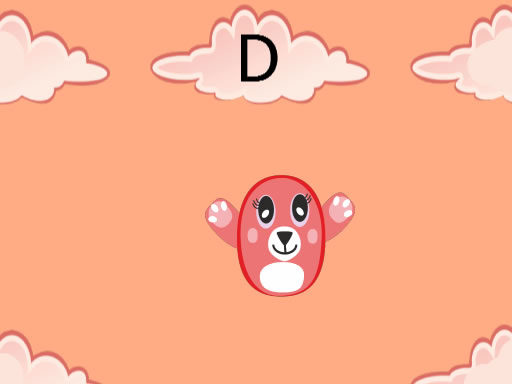
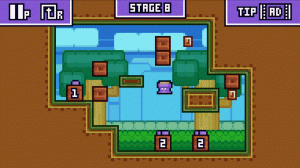
Alphabet Leap Learning Game takes the vertical jumping formula familiar from classic arcade climbers and turns it into a letter-recognition exercise. The player controls a character that hops upward from platform to platform. Each platform carries a letter, and the sequence follows the alphabet from A to Z. Landing on a letter triggers its pronunciation, so the child hears the sound at the moment of contact. The goal is simple: keep climbing by following the correct order. There is no timer and no penalty for mistakes, which lets young players repeat letters as often as they need.
How a Session Unfolds
Controls are limited to a tap or click that makes the character jump. That single input keeps the game accessible for preschoolers who may not yet handle multi-button controls. Because platforms display letters in sequence, the child must recognize the next letter to continue upward. When the character lands, the letter is spoken aloud. This pairs visual shape with auditory feedback, reinforcing both the look and sound of each letter. The absence of time pressure means a child can pause, think, and try again without frustration.
Learning Through Movement and Sound
The game’s main educational idea is that pairing physical movement with letter sounds strengthens memory. Climbing to a letter, hearing it, and seeing its shape on the platform creates a multi-sensory loop. The alphabetical order itself becomes part of the challenge, helping children internalize sequence rather than memorizing letters in isolation. Colorful graphics and a gentle pace keep the experience appropriate for early learners who are just beginning to explore the alphabet.
Who It Suits and How to Get the Most From It
This game is aimed at preschoolers and early learners. Parents and teachers can encourage children to say each letter aloud as they land on it, adding their own voice to the game’s audio. Regular short sessions build familiarity with the alphabet sequence. Repeating levels is not a setback but a way to solidify recognition. Celebrating small achievements, like reaching a new letter, keeps motivation high without adding pressure.
Compatibility
FAQ
Player comments
Sign in to comment
You must be logged in before posting a review or rating.
No comments yet. Be the first to comment!


Editorial Notes