
What players say
Pulse Path Navigator combines rhythm and platforming with a clear focus: the music drives every obstacle and jump. The neon geometric visuals serve a practical purpose by making threats easy to read. Checkpoints and a gradual difficulty curve support practice, while the single-input control scheme keeps the game approachable. It suits players who enjoy timing challenges and audio cues, though those seeking complex inputs or multiplayer may find it limited.
About this game
Moving to the Beat
In Pulse Path Navigator, the background track is not just atmosphere—it sets the timing for every obstacle and the pace of each level. Players tap or click to make their shape jump, with longer presses producing higher arcs. Certain sections require sustained input to glide through airborne hazards. Listening closely to the music becomes a practical skill, not just a preference, because the beat tells you when to act.
Neon Geometry and Readable Threats
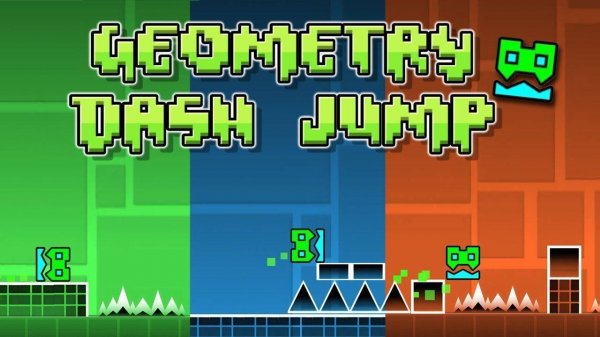
The game presents a neon-lit geometric world where obstacles appear as glowing blocks and spikes against dark backgrounds. This contrast is functional: bright shapes stand out immediately, helping you identify threats and plan your path without visual clutter. The pulsing colors and rhythmic music work together to create a sensory experience that reinforces the timing-based challenge.
Progression Through Practice
Levels are arranged to gradually increase in difficulty. Early stages introduce basic jumps and simple obstacle patterns, letting you get comfortable with the controls. Later levels introduce more complex sequences that demand precise timing and pattern recognition. Checkpoints are placed throughout, so you can practice specific segments without restarting from the beginning. This structure supports steady improvement and keeps the difficulty curve natural rather than frustrating.
Simple Controls, Deep Timing
The control scheme is intentionally straightforward: a single input method handles all actions. There are no complicated button combinations or menus to navigate. The challenge comes from timing rather than complex inputs, making the game easy to pick up for players of any age or experience level. This design also suits short bursts of play or longer sessions, adapting to different schedules and preferences.
Compatibility
FAQ
Player comments
Sign in to comment
You must be logged in before posting a review or rating.
No comments yet. Be the first to comment!





Editorial Notes