
What players say
Festive Light Designer succeeds as a low-pressure creative outlet because its two-step loop of construction and launch gives players clear, immediate feedback without any failure state. The drag-and-drop interface and hazard-free workshop make it genuinely accessible to younger players, while the color, effect, and timing variables offer enough depth to keep older users experimenting. The main limitation is that the experience depends entirely on self-directed creativity, so players seeking goals or challenges may find it too open-ended.
About this game
Workshop Construction
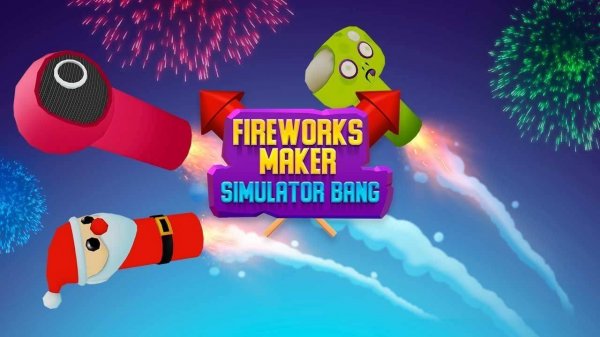
Festive Light Designer opens in a virtual studio where the main task is building visual displays from three component types: base structures, color powders, and ignition elements. Each choice affects the final appearance, so players spend time selecting and arranging parts before any launch happens. The interface relies on drag-and-drop, which keeps the process accessible for younger players while still offering enough variety to hold the interest of older ones. Because the workshop is entirely hazard-free, there is no real-world safety concern attached to experimenting with different combinations.
Launch and Immediate Feedback
Gameplay follows a two-step rhythm: construction, then presentation. Once components are positioned in the workshop, the player moves to a viewing area and activates the display with a simple tap or click. The show unfolds in the sky, with colors and effects spreading according to the design choices made earlier. This immediate feedback loop lets players see what works and what might need adjustment. Each successful launch provides a visual payoff that encourages further experimentation rather than frustration.
Customization Variables
Several adjustable factors influence the final spectacle. Color selection matters most, with complementary and contrasting combinations producing noticeably different visual impacts. Effects such as sparkling trails, spreading bursts, and lingering patterns add layers to the display. Timing adjustments let players sequence events, creating a narrative arc within the show. None of this requires advanced technical knowledge, so beginners can produce impressive results quickly without studying a manual.
Preservation and Sharing
Completed designs can be saved to a personal collection, allowing players to revisit favorite creations or use them as starting points for new experiments. This supports gradual improvement across multiple sessions. Sharing work with family members adds a social dimension, as others can view and appreciate the displays. Replayable saved shows also make the game suitable for group viewing during gatherings or holidays.
Atmosphere and Accessibility
The visual style emphasizes bright, cheerful colors and smooth animations that create a festive mood without overwhelming the senses. Background scenes provide variety, though the focus remains on the light show itself. Controls are intentionally simple, with no complex menus or steep learning curves. This design philosophy ensures that players of different ages and skill levels can enjoy the game together without frustration. The overall tone remains positive and uplifting throughout.
Long-Term Engagement
Because the component system offers many combinations, the game supports repeated play without becoming repetitive. Each new attempt can produce a different result, encouraging players to explore possibilities they might have missed earlier. The lack of time pressure or failure states means experimentation is free, and learning happens through trial and error at the player's own pace. This relaxed structure makes Festive Light Designer a good choice for casual gaming sessions or as a calming activity after more intense experiences.
✅ Compatibility & Testing
FAQ
Player comments
Sign in to comment
You must be logged in before posting a review or rating.
No comments yet. Be the first to comment!





Editorial Notes