
What players say
Mech Maker: Art & Tactics blends drawing and light strategy in a safe, family-friendly package. The open-ended design studio lets players of any skill level create robots, while automatic matches tie artistic decisions to performance. Progression through unlocking new tools keeps the experience fresh. It is best suited for creative players who enjoy experimentation over direct competition, though those seeking fast-paced action may find the pace relaxed.
About this game
Design Studio Tools
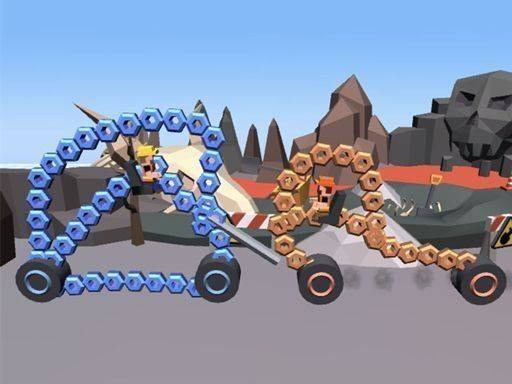
Mech Maker: Art & Tactics provides a digital workshop where players freely draw and color robots. The interface offers basic shapes, a color palette, and adjustable brushes. No strict templates exist, so each robot can be as simple or elaborate as the creator wishes. This open-ended approach lets players focus on expressing their ideas without rigid rules.
Match Mechanics
After finishing a robot, players enter it into automatic matches. The outcome is determined by strategic elements added during the design phase. For example, the placement of limbs or the inclusion of certain drawn features may influence how the robot performs. This system encourages players to think about how their artistic choices affect results, blending creativity with light strategy.
Progression and Rewards
Winning matches earns points that unlock new colors, parts, and drawing options. This steady stream of rewards motivates players to refine their designs and try different approaches. The progression feels natural, as each new tool expands what can be created without overwhelming the user.
Safe and Positive Environment
Mech Maker: Art & Tactics maintains a completely safe atmosphere. There is no violent content, and matches are resolved automatically without any aggressive animations. The focus remains on the joy of creation and the satisfaction of seeing a design succeed. This makes the game suitable for children and families who want a constructive digital experience.
Encouraging Creative Thinking
The game naturally promotes problem-solving skills. Players must consider how different parts might interact during a match and adjust their designs accordingly. This trial-and-error process teaches patience and strategic thinking in a low-pressure setting. The result is an activity that feels more like a playful experiment than a competitive challenge.
Compatibility
FAQ
Player comments
Sign in to comment
You must be logged in before posting a review or rating.
No comments yet. Be the first to comment!







Editorial Notes